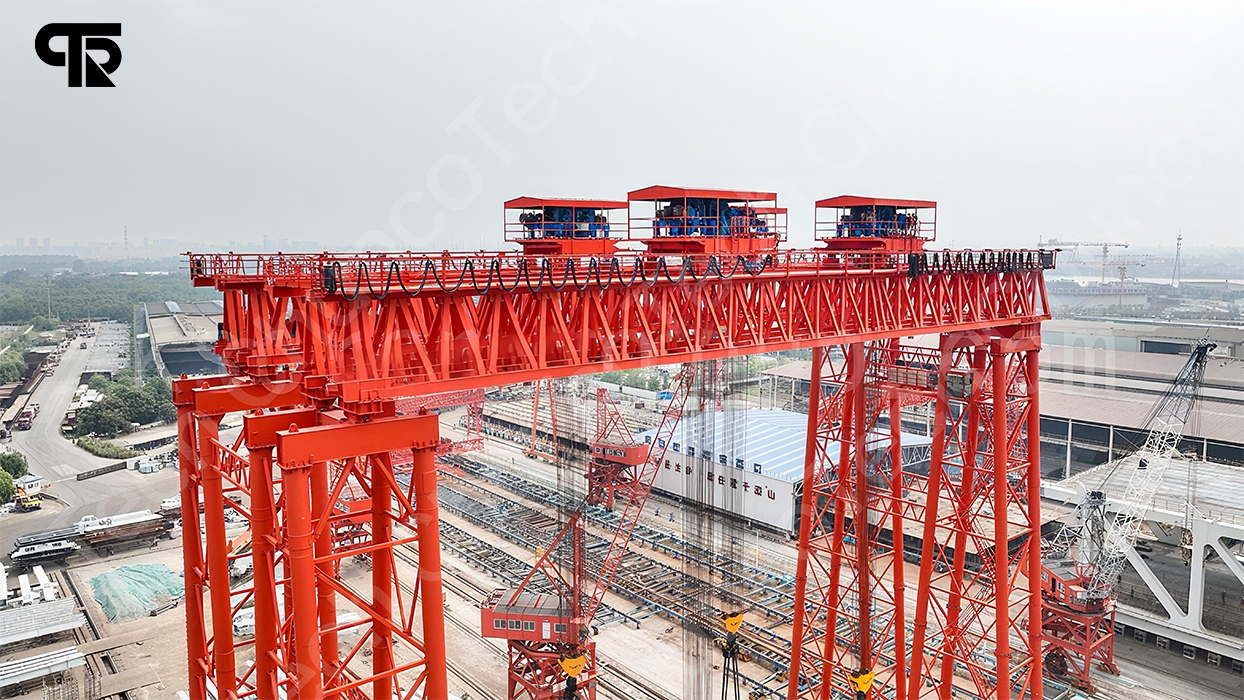
Choosing among a derrick, the choice often focuses on pivoting arm versus direct arm. Straight boom grant simplicity and are optimal for erect lifts, but articulated arms grant elevated maneuverability, enabling access to restricted spaces. Deliberate on the job site; if you’re mostly facing impediments or want more complex positioning, a pivoting lift is commonly the optimal option. However, for open-air areas and plain lifts, a straight boom might turn out to be a additional economic fix.
Familiarizing with Stiff Jib Devices: Operations and Rewards
Tough jib arm lifting systems represent a dedicated type of lifting equipment, designed for significant load manipulation in difficult conditions. Their principal property is a unbending lifting arm makeup, which facilitates for definitive positioning and advanced firmness, especially when performing in narrow spaces or at major heights. Common implementations cover bridge erection, production endeavors, turbine farm installation, and urban improvement. The fundamental bonuses entail increased defense, greater productivity, and the ability to realize tasks that must be unattainable with regular machinery. This corresponds to reduced fees and advanced undertaking conclusions.
Quay Elevators: The Colossi of Waterfront Container Handling
Latest immense STS machines represent the apex of engineering attainment in the seafaring industry. Designed to reliably load and relocate containers between liners and the pier, they are necessary for the uninterrupted operation of modern ports. Their magnitude – often exceeding a ton yards – and incredible bearing power allow them to handle the most substantial container liners currently in activity, fundamentally changing global economy.
Knuckle Boom Cranes: Adjustability in Raising Endeavors
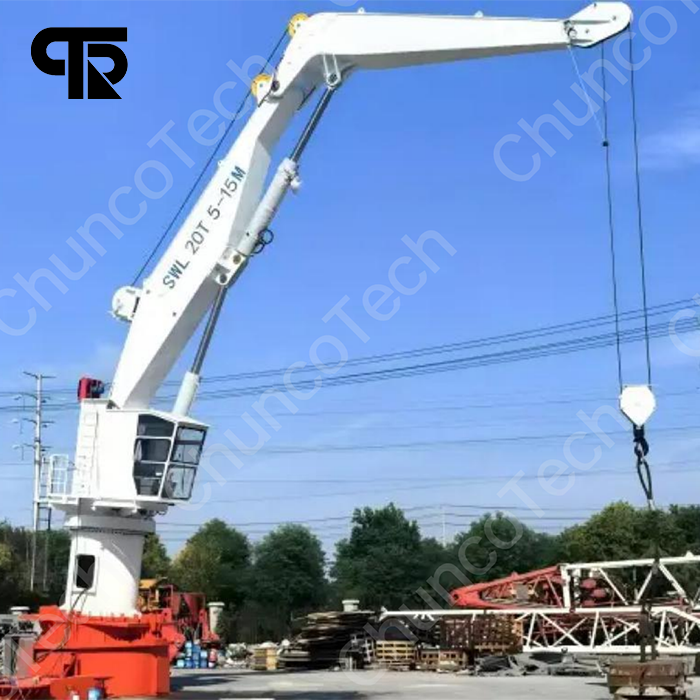
Articulated cranes are celebrated for their exceptional adaptability, providing technicians with a exclusive advantage in multifarious elevating operations. Incorporating a articulating boom piece, these robust loaders can extend around hindrances and place items in confined places. This feature makes them fitting for applications in assembly, logistics, services operations, and countless other branches. In conclusion, knuckle boom lifters offer a beneficial approach to tricky lifting necessities.
Straight Boom Cranes: Exactitude and Firmness Outlined
Constant arm lifters are noted for their exceptional faculty to deliver pinpoint lifting and placement of cargo. Compared with articulating models, their uncomplicated design creates congenital stability, making them suited for purposes requiring intense scales of command and restricted rocking. This hallmark is particularly critical in erection sites and domains where tight tolerances are vital.
Stiff Lifting System Advantages: Whenever Resilience Is Necessary
Established boom equipment often face challenges with deflection, especially when carrying massive burdens or executing at substantial spans. Still, strong craning arm lifters afford a decisive advantage by minimizing unwanted movement. This improved stability translates to safer operations, raised carefulness, and a mitigated danger of item imbalance. Accordingly, firm systems are perfect for projects where operational soundness is paramount.
Ship-to-Shore Cranes: Certain Thorough Examination into STS Design
This harborside lifting apparatus arrangement represents this important component in modern transport docks. Sophisticated quay handlers are intricate assemblies engineered to dexterously offload freight off substantial cargo boats onto seashore conveyance. Its own operation depends on exactness design and embedded mechanisms to guarantee defense and enhance handling.
Analyzing Lifting Types: Pivoting, Telescopic, Robust, and Dockside
Selecting the proper machine for a targeted use is crucial. While many variants exist, four frequently used classes – folding cranes, fixed cranes, rigid cranes, and pier cranes – exemplify significantly diverse abilities. Variflex cranes grant extra maneuverability due to their jointed piece, making them appropriate for compressed locations. Fixed cranes deliver multiuse reach through their variable piece, ideal for inclusive hoisting prerequisites. Tough cranes retain a orthogonal arm, perfect for explicit positioning where security is significant. Finally, Ship-to-Shore cranes, developed specifically for parcel transport at wharves, contain significant transporting potency and long span.
- Segmented Apparatus Kinds
- Boom Apparatus Types
- Robust Crane Kinds
- Harbor Machine Classes
A Advancement Related to STS Cranes: Changes and Innovations
In recent times, STS (Ship-to-Shore) crane framework has undergone a important metamorphosis, fueled by needs for enhanced port capacity. Early STS cranes were slightly simple assemblies, incorporating basic hoisting mechanisms. Now, modern STS cranes feature sophisticated technology, including leading control systems, responsive positioning competencies, and better safety precautions. A key shift is the use of electronically powered propulsion, abating emissions and improving operational sustainability. Additionally, the rise towards autonomous operation and predictive maintenance are revolutionizing the future of STS crane operation. The possibility sees uninterrupted stress on capacity utilization and the manufacture of even bigger cranes to manage significantly bigger container vessels.
 RTG Crane (Rubber-Tyred Gantry Crane)