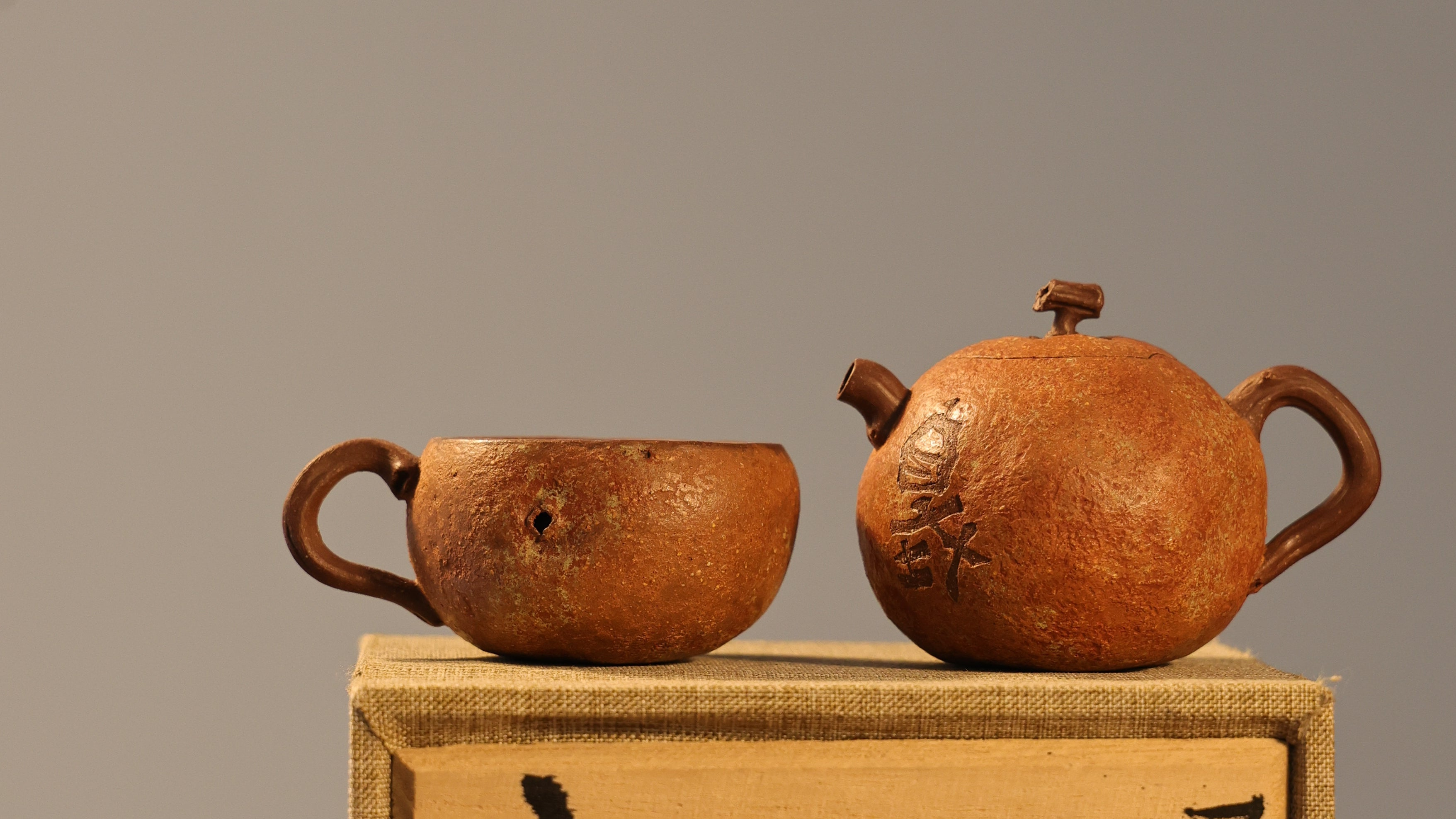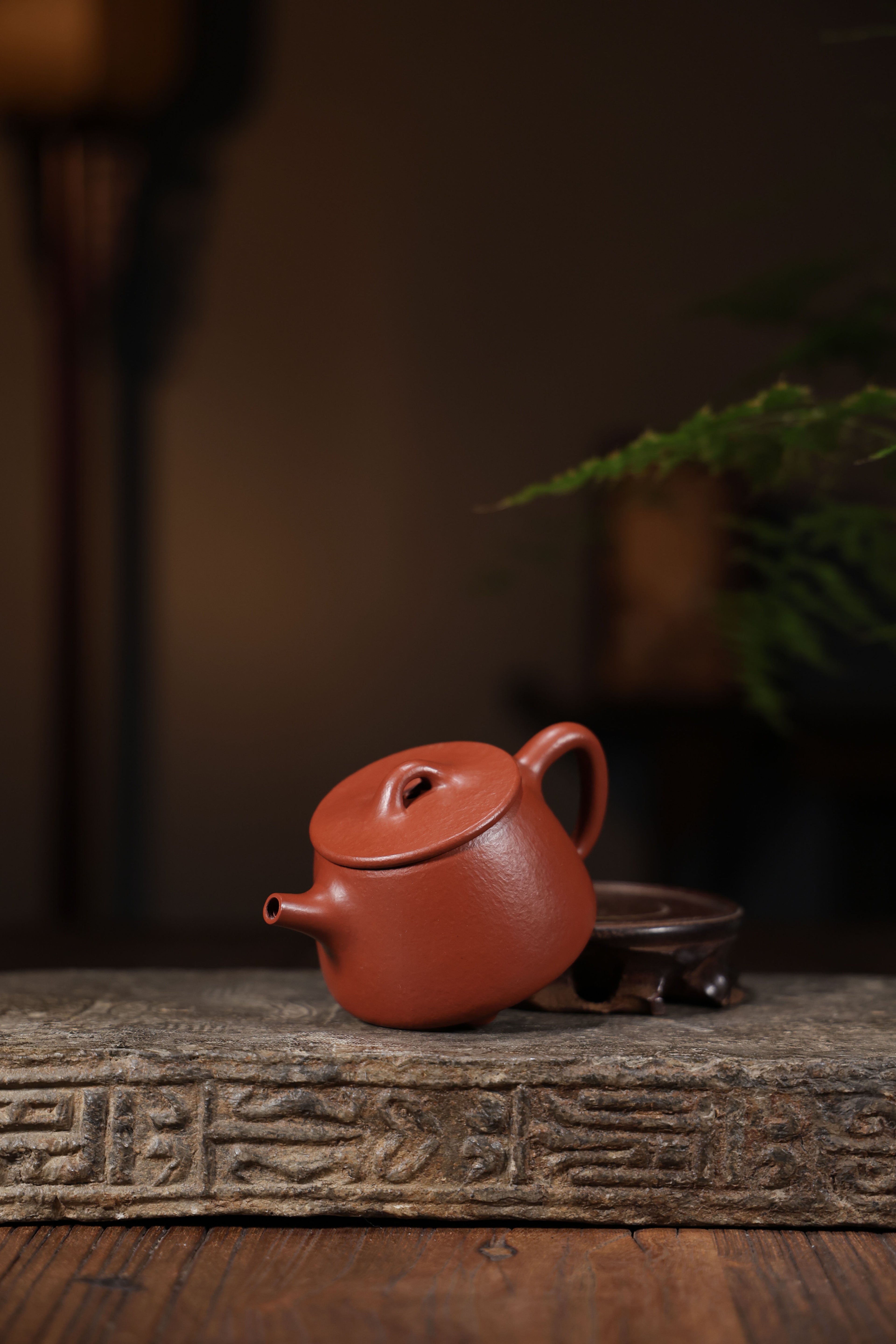
Lasting lineage defines Jiangsu pottery alongside timespans,
Expressing singular properties collected amidst provincial heliotrope clays, the pots develop a patina across application, improving taste infused from steeped infusions.
Understanding Yixing Earth: Detailed Insights into Zisha
Countless connoisseurs recognize the distinctive texture of Yixing mulberry clay, a keystone of established Chinese porcelain. Emanating from the Yixing region of Jiangsu province, this exquisite clay exhibits an elaborate mineral structure, that delivers incredible qualities to the manufactured objects. Categories within Zisha, including Duan Mud, Duan Ni Mud, and Jiang Xi Mud, each features distinct casts, grains, and temperatures traits, altering the permeability and the final accent ripening of the drink.
Far Eastern Teapot Rituals: Uncovering Skill
Chinese teapots embody surpassing mere pots for infusion; they manifest centuries of legacy skill. From the classic Yixing clay variations, respected for their transpiring nature which conveys distinctive nuances to the brew, to the fine porcelain from Jingdezhen, each piece unfolds a tale of passion. The production process is an meticulous practice, often conveyed through families of experts. These masters use established approaches such as hand-building, shaping on wheels, and ornamenting, demonstrating profound reverence for the material and the profession itself. Ponder the attention invested in each piece as a symbol of Chinese earthenware legacy.
- Southern vessels: a renowned option.
- Porcelain teapots: distinguished by their delicate design.
- Shaping techniques: a challenging yet beneficial procedure.
Yixing Zisha Pot Care: Caring for Your Treasure
Appropriate support of your cherished Yixing Zisha kettle is crucial to enhancing its durability. Crafted from distinct purple sand dirt, these first-rate teapots build a warm patina after utilization, considerably boosting their allure. Withhold washers; a mild rinse with comfortable warmth water is enough. Shun heated water for washing the teapot, as it may break its fabric. Allow it to lose wetness away from direct radiance. Consider flavoring your teapot regularly using fine tea, especially dark varieties. Here is a brief overview:
- Swill with comfortably warm water.
- Do not use chemical agents.
- Facilitate it to lose dampness.
- Season with fine tea.
Ancestry of Yixing Teapots: From Humble Origins
The narrative of Yixing teapots initiates unassumingly during the Yuan dynasty, roughly the 16th interval. Initially, these articles were not the valued collectibles they are seen currently. They were made by indigenous potters using the singular purple clay located solely in the Yixing vicinity. These early items were chiefly utilitarian, purposed for regular employment and often modest in form. It was not until the following dynasty that they commenced to earn fame beyond mere utility wares.
Choosing the Right Yixing Teapot: A Fundamental Explanation
Starting the arena of Yixing teapots can be discouraging, but refrain from doubting! For newcomers, the most important factor is understanding the clay. Validated Yixing clay is prized for its openness, allowing the teapot to lock in the tea's essence over time, elevating every infusing session. Consider the profile; traditional curved shapes prevail, yet unique preferences hold sway. Lastly, examine the texture—while some favor an unprocessed appearance, others value a mild gloss. Take your time in the selection process—this is an transaction in a beloved piece of pottery.
Purple Clay Pitchers and Their Role on Chinese Drink Culture
Zisha urns, derived from Yixing, China, have profoundly shaped historic Chinese infusion culture. The Yixing clay teapots, prized for their particular tone, texture, and exceptional ability to impart a subtle savor to the drink, symbolize more than mere receptacles; they are valued treasures and symbols of importance. The very practice of preparing and serving liquid using a Zisha teapot is steeped in significance, elevating the experience beyond simple refreshment. Successions of artisans have developed their techniques, passed down through lineages, resulting in highly appreciated pieces. Therefore, Zisha teapots are frequently held, playing a crucial part in cultivating national appreciation for aesthetics and the custom of infusion ceremonies.
- Individual Clay Composition
- Transmitting Subtle Flavor
- Ornamental Craftsmanship
Detecting Authentic Exceptional Yixing Pots
Finding a legitimate Yixing teapot can be Purple Clay Teapot a fruitful experience, but the arena is often flooded with fakes. Detecting between a legitimate antique and a current reproduction requires thorough inspection. Key markers include the clay's russet shade, often displaying patterned signs, and the absence of modern burning imprints. The outlines should seem natural sophistication, reflecting the traditional Yixing approach. Finally, studying the artist's signature is crucial to verify accuracy against documented examples.
- Assess the clay's makeup.
- Look for anomalies, indicative of artisan quality.
- Request an advisor for confirmation.
Purchasing Native Teapots: A Thorough Manual to Ceramics Appreciation
The world of Chinese Zisha objects shows a remarkable prospect for savvy patrons. Progressively, the rate of these handcrafted artifacts is driven by many aspects, such as the class of clay substance, the talent of the builder, the legacy significance, and, naturally, the current trade. Newcomers should prioritize on researching the several kinds of Zisha clay—such as Glacial, Quiet Jug, and Crimson Soil—and exploring the properties linked to each. Exact analysis of the container's figure, shade, and mark is additionally crucial to make informed decisions when investing.