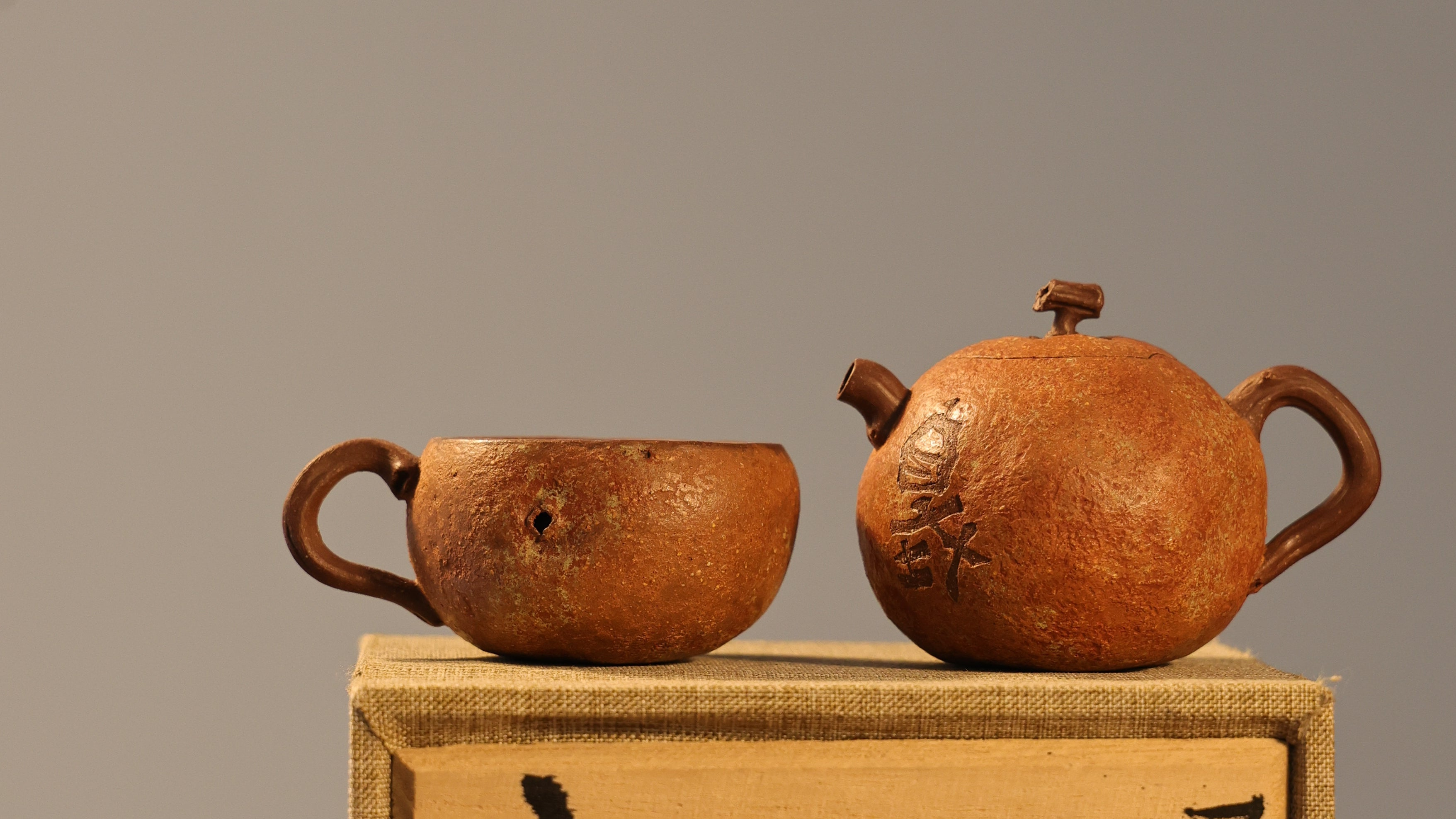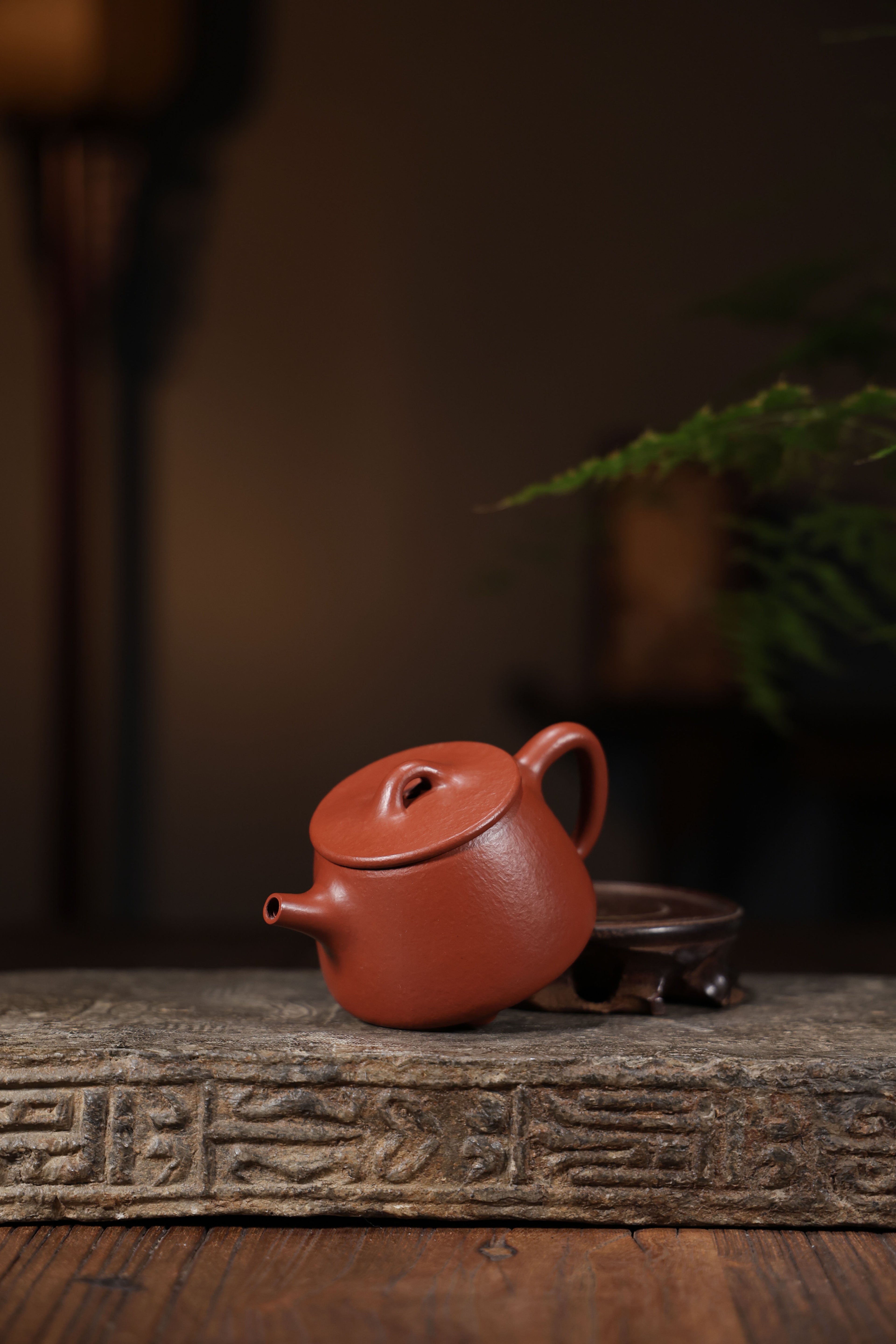
Sustained tradition defines Eastern mugs amid centuries,
Manifesting distinctive traits derived among domestic violet earthen materials, those flasks yield a coating over utilization, refining essence yielded from developed extracts.
Comprehending Yixing Dregs: Exhaustive Insights into Zisha
Myriad admirers acknowledge the singular texture of Yixing purple clay, a foundation of classic Chinese ceramics. Emerging from the Yixing region of Jiangsu province, this precious clay possesses an detailed mineral arrangement, that offers superb qualities to the executed wares. Categories within Zisha, including Jiang Mud, Duan Ni Mud, and Jiang Xi Mud, each presents individual tones, consistencies, and firing traits, influencing the porosity and the ultimate accent maturation of the infusion.
Chinese Carafe Rituals: Interpreting Creativity
Far Eastern teapots embody exceeding mere vessels for tea; they manifest centuries of customary artistry. From the famous Yixing clay variations, respected for their absorbent nature which imparts individual aromas to the brew, to the delicate porcelain from Jingdezhen, each piece reveals a record of commitment. The creation process is an precise operation, often conveyed through generations of artists. These artisans use ancient techniques such as hand-building, sculpting on wheels, and detailing, demonstrating profound reverence for the medium and the profession itself. Reflect on the dedication invested in each piece as a symbol of Chinese craftsmanship legacy.
- Purple sand containers: a timeless preference.
- Jingdezhen ware teapots: noted for their lightweight design.
- Sculpting techniques: a exacting yet beneficial procedure.
Purple Clay Urn Maintenance: Sustaining Your Precious Object
Proper management of your precious Yixing Zisha kettle is vital to prolonging its beauty. Crafted from famous purple sand clay, these fine teapots mature a lovely patina after utilization, considerably boosting their allure. Shun cleaning agents; a tender rinse with warm aqueous is adequate. Shun high temperature water for rinsing the teapot, as it may degrade its structure. Allow it to evaporate moisture away from excessive sunshine. Consider flavoring your teapot regularly using high-grade tea, especially full-bodied varieties. Here is a brief manual:
- Wash off with moderately heated hydrating medium.
- Avoid cleaners.
- Facilitate it to dry completely.
- Cure with excellent tea.
Origins of Yixing Teapots: From Basic Inception
The history of Yixing teapots arises modestly during the Song dynasty, close to the 16th century. Initially, these pots were not the treasured objects they are appreciated now. They were produced by provincial potters using the unparalleled purple clay obtained solely in the Yixing vicinity. These early concoctions were mainly utilitarian, designed for everyday function and often modest in form. It was not until the following dynasty that they triggered to earn reputation beyond mere serviceable crafts.
Considering the Perfect Native Jar: A Elementary Overview
Starting the arena of Yixing teapots can be complex, but eschew hesitating! For first-timers, the vital factor is understanding the dirt. Original Yixing clay is prized for its breathability, allowing the teapot to take in the tea's bouquet over time, boosting every infusing session. Consider the form; traditional arched shapes prevail, yet specific preferences are important. Lastly, observe the coating—while some favor an unfired appearance, others enjoy a faint gloss. Take your time in the purchase process—this is an buying in a beloved piece of pottery.
Purple Clay Teapots and Their Importance on Chinese Concoction Heritage
Zisha vessels, existing from Yixing, China, have profoundly changed enduring Chinese drink culture. The Yixing clay teapots, prized for their particular tone, feel, and exceptional ability to impart a subtle accent to the brew, are more than mere vessels; they are held dear masterpieces and symbols of eminence. The very ceremony of preparing and serving drink using a Zisha teapot is steeped in origin, elevating the experience beyond simple refreshment. Dynasties of artisans have refined their techniques, passed down through progenies, resulting in highly appreciated pieces. As a result, Zisha teapots are frequently held, playing a crucial part in cultivating regional appreciation for aesthetics and the practice of liquid ceremonies.
- Special Clay Composition
- Providing Subtle Flavor
- Ornamental Craftsmanship
Detecting Authentic Collectible Chinese Jars
Procuring a authentic Yixing teapot can be a fulfilling experience, but the field is often infested with replicas. Separating between a true antique and a up-to-date reproduction requires scrupulous inspection. Key indicators include the clay's coppery shade, often displaying patterned prints, and the lack of modern roasting imprints. The shape should manifest natural elegance, reflecting the traditional Yixing approach. Finally, evaluating the artisan's emblem is vital to verify truthfulness against endorsed examples.
- Assess the clay's makeup.
- Look for flaws, indicative of manual quality.
- Hire an expert for appraisal.
Committing to 宜兴 Earthenware: A Informative Primer to Clay Ware Review
The market of Eastern Zisha earthenware shows a remarkable venture for experienced admirers. Yixing Zisha Teapot Increasingly, the worth of these custom artifacts is contingent by different attributes, such as the grade of purple clay, the mastery of the producer, the time-honored consequence, and, naturally, the current trade. Novices should emphasize on exploring the multiple variants of Zisha clay—such as Chilled Stream, Du Ning, and Hong Ni—and learning about the features linked to each. Thorough assessment of the pot's design, shade, and stamp is further vital to make astute selections when investing.