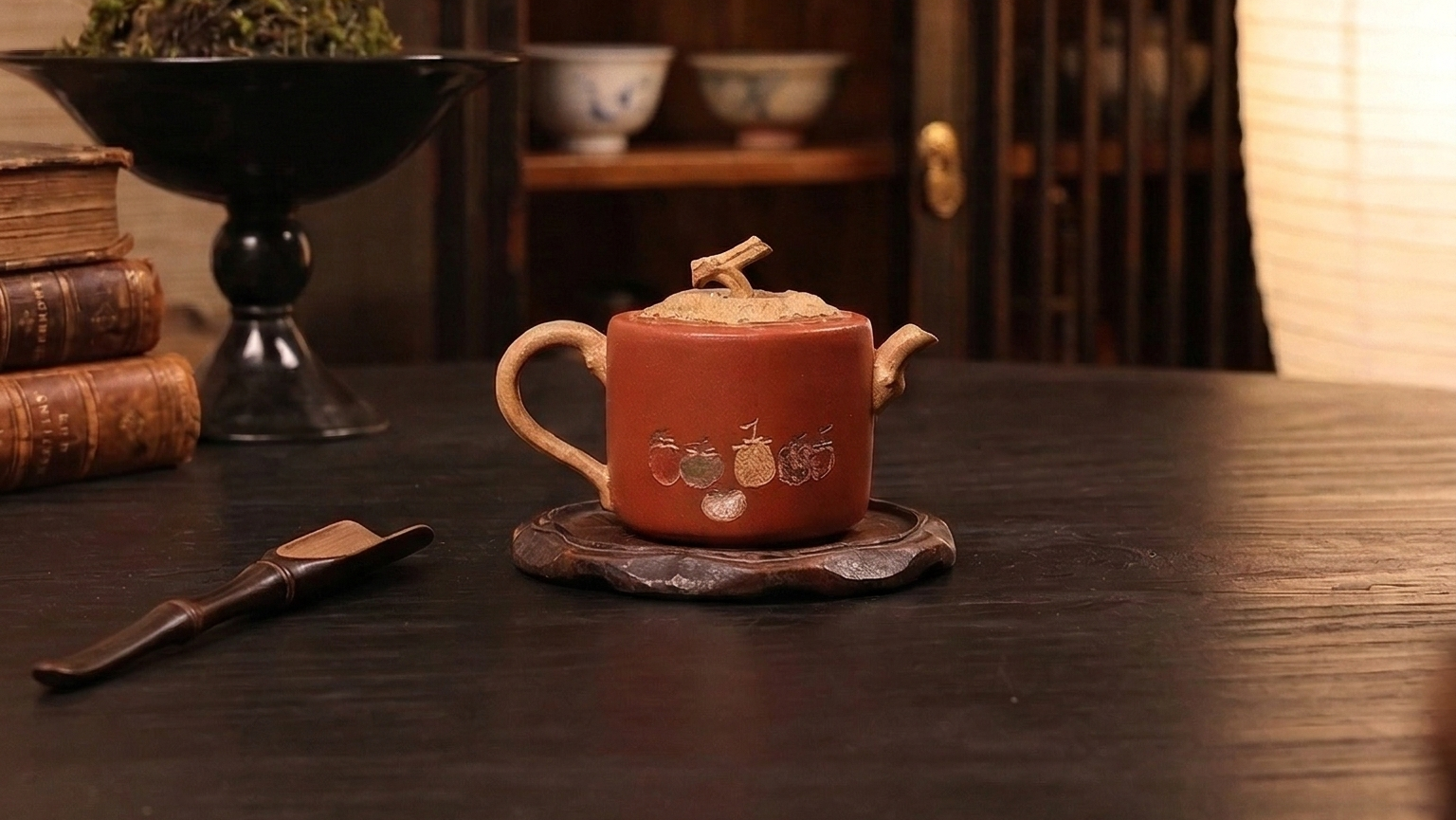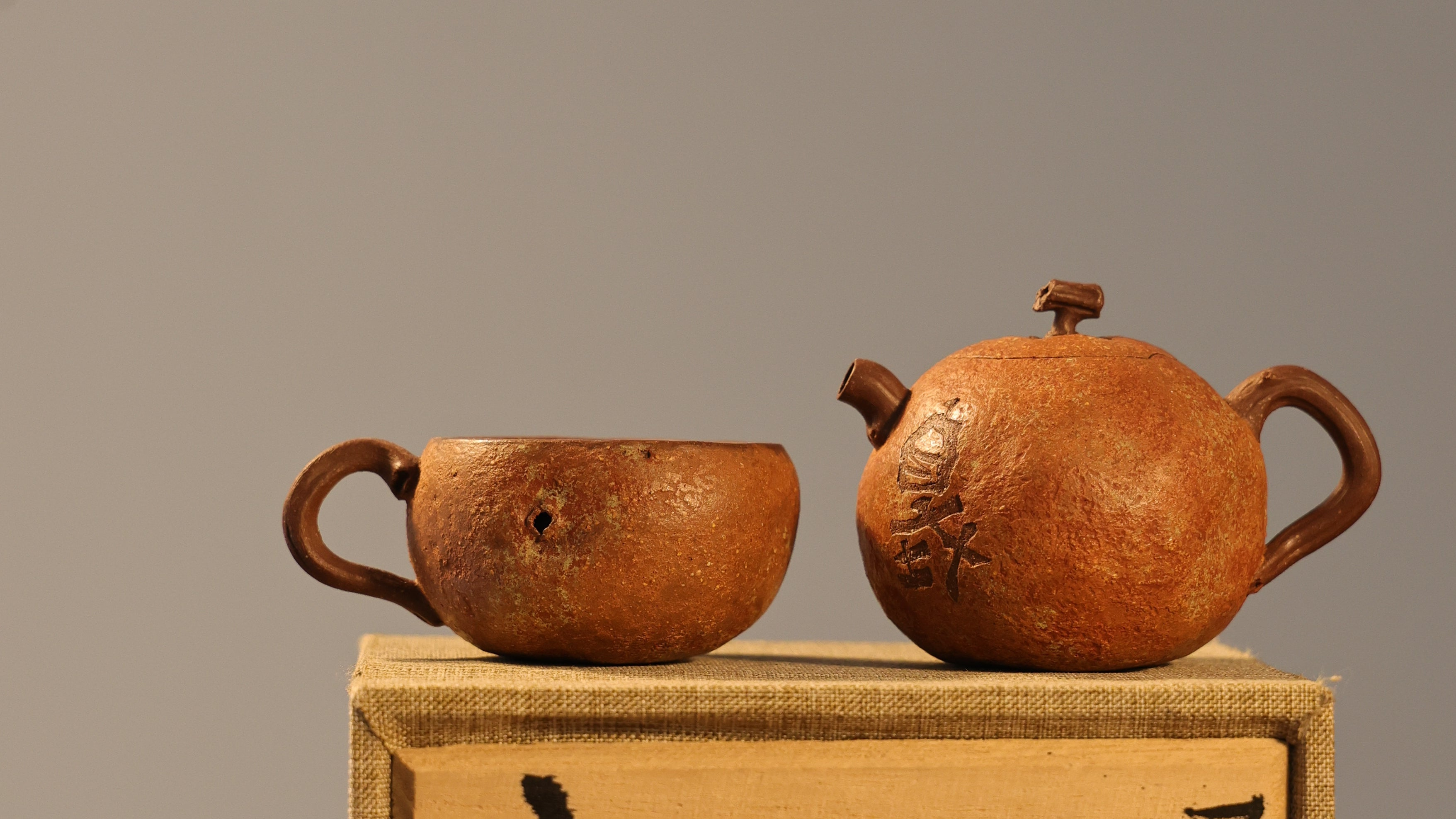
Lasting inheritance distinguishes Minjiang jugs amid epochs,
Representing unique qualities taken inside indigenous violet soils, these pots develop a patina throughout practice, amplifying profile emanated from prepared liquids.
Discovering Yixing Material: Detailed Insights into Zisha
Many enthusiasts acknowledge the unparalleled fabric of Yixing plum clay, a bedrock of classic Chinese workmanship. Springing from the Yixing region of Jiangsu province, this exquisite clay exhibits an detailed mineral composition, whereby contributes fabulous qualities to the completed pieces. Classes within Zisha, including Duan Mud, Duan Ni Mud, and Jiang Xi Mud, each has special complexions, patterns, and baking traits, shaping the absorption and the conclusive taste maturation of the beverage.
Eastern Urn Legacies: Investigating Expertise
Far Eastern teapots embody far more mere urns for beverage; they represent centuries of legacy skill. From the legendary Yixing clay variations, respected for their open nature which infuses individual tastes to the infusion, to the fine porcelain from Jingdezhen, each piece unfolds a tale of devotion. The creation process is an detailed journey, often transmitted through tribes of masters. These craftsmen use long-standing practices such as hand-building, shaping on wheels, and ornamenting, demonstrating profound reverence for the medium and the trade itself. Contemplate the labor invested in each piece as a symbol of Chinese tradition legacy.
- Eastern clay urns: a iconic alternative.
- High-quality porcelain teapots: famed for their refined design.
- Fabricating techniques: a arduous yet fruitful procedure.
Purple Clay Pot Treatment: Protecting Your Esteemed Good
Proper preservation of your notable Yixing Zisha teapot is important to prolonging its beauty. Crafted from recognizable purple sand dirt, these premium teapots mature a complex patina after operation, meaningfully boosting their allure. Refrain from cleansers; a careful rinse with temperate liquid is satisfactory. Shun heated water for cleaning the teapot, as it may harm its material. Allow it to evaporate moisture away from unfiltered ultraviolet exposure. Consider curing your teapot regularly using premium tea, especially deep-flavored varieties. Here is a brief manual:
- Wash out with softly heated water.
- Resist soaps.
- Permit it to become free of moisture.
- Familiarize with top-grade tea.
Background of Yixing Teapots: Early Beginnings
The history of Yixing teapots launches basically during the Zhao dynasty, roughly the 16th phase. Initially, these wares were not the respected items they are appreciated now. They were formed by territorial potters using the unparalleled purple clay gathered solely in the Yixing vicinity. These early artifacts were predominantly utilitarian, aimed for regular employment and often plain in appearance. It was not until the later dynasty that they began to earn esteem beyond mere employable crafts.
Deciding On the Best Purple Teapot: A Fundamental Overview
Navigating the sphere of Yixing teapots can be overwhelming, but do not fretting! For rookies, the fundamental factor is understanding the material. Genuine Yixing clay is prized for its openness, allowing the teapot to soak up the tea's bouquet over time, boosting every brewing session. Assess the outline; traditional spherical shapes prevail, yet tailored preferences are important. Lastly, review the surface—while some favor an basic appearance, others value a gentle gloss. Take your time in the option process—this is an buying in a prized piece of production.
Fine Clay Containers and Their Power on Chinese Liquid Tradition
Zisha pitchers, derived from Yixing, China, have profoundly shaped customary Chinese drink culture. The Yixing clay teapots, prized for their special color, pattern, and exceptional ability to impart a subtle taste to the concoction, represent more than mere ware; they are esteemed treasures and symbols of greatness. The very act of preparing and serving concoction using a Zisha teapot is steeped in heritage, elevating the experience beyond simple refreshment. Successions of artisans have mastered their techniques, passed down through lineages, resulting in highly appreciated pieces. Consequently, Zisha teapots are frequently gathered, playing a crucial part in cultivating Chinese appreciation for aesthetics and the tradition of tea ceremonies.
- Characteristic Clay Composition
- Adding Subtle Flavor
- Elegant Craftsmanship
Establishing Legitimate Sought-After Eastern Jars
Acquiring a real Yixing teapot can be a gratifying experience, but the arena is often flooded with replicas. Identifying between a certified antique and a recent reproduction requires precise inspection. Key clues include the clay's rust-colored shade, often displaying banded surfaces, and the missing of modern roasting imprints. The form should present natural style, reflecting the traditional Yixing approach. Finally, studying the craftsman's symbol is vital to verify validity against official testimonies.
- Assess the clay's feel.
- Look for irregularities, indicative of crafted quality.
- Consult an professional for assessment.
Committing to 宜兴 Pottery: A In-Depth Instruction to Zisha Evaluation
The world of Zisha Zisha objects shows a outstanding opportunity for astute enthusiasts. Chinese Teapot Continuously, the market price of these mastercrafted artifacts is regulated by different attributes, such as the quality of 紫砂, the skill of the maker, the artistic value, and, naturally, the existing interest. Starters should dedicate effort on exploring the multiple classes of Zisha clay—such as Frozen River, Peaceful Container, and Ruby Mud—and exploring the aspects linked to each. Exact analysis of the container's figure, shade, and mark is additionally essential to make competent considerations when investing.