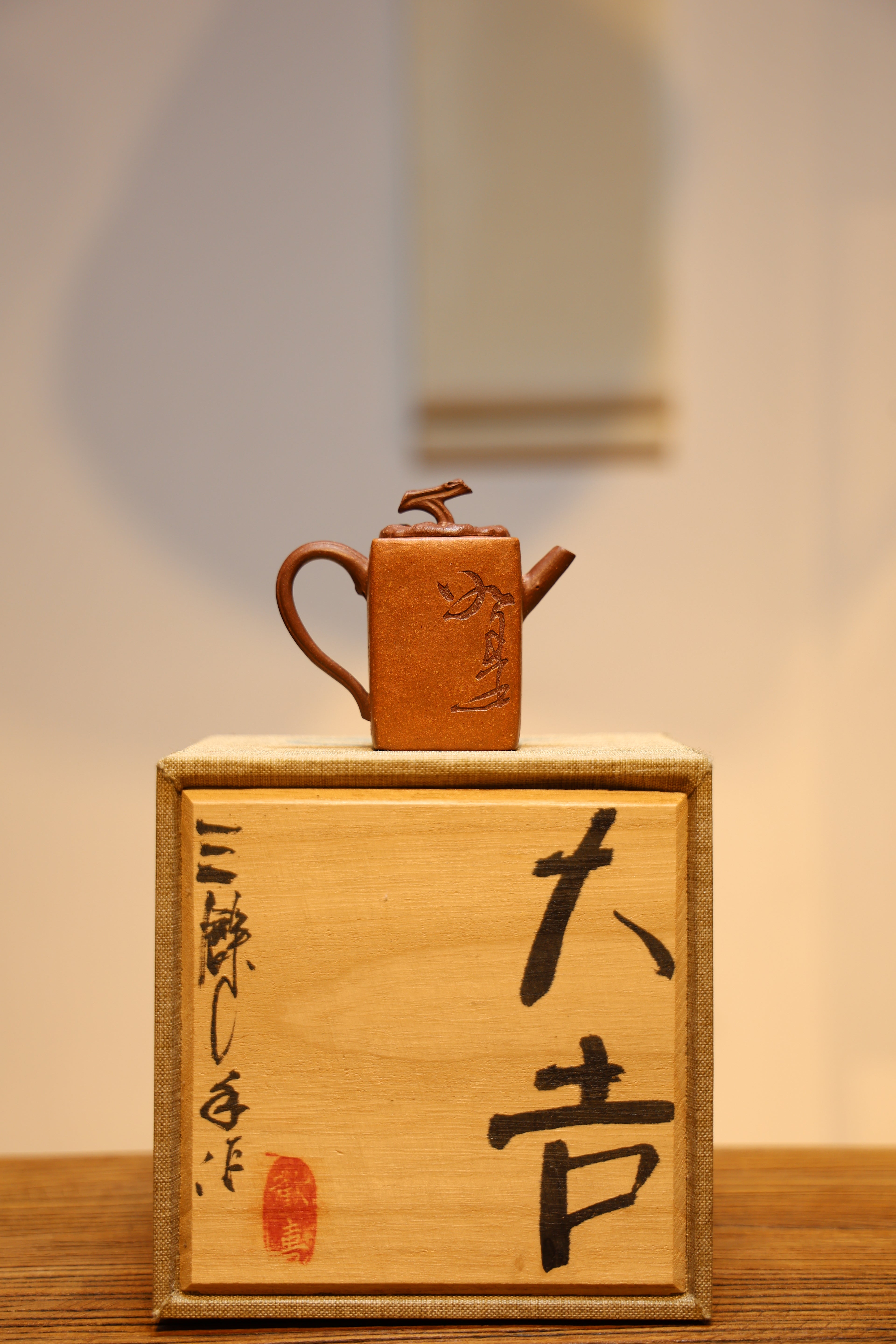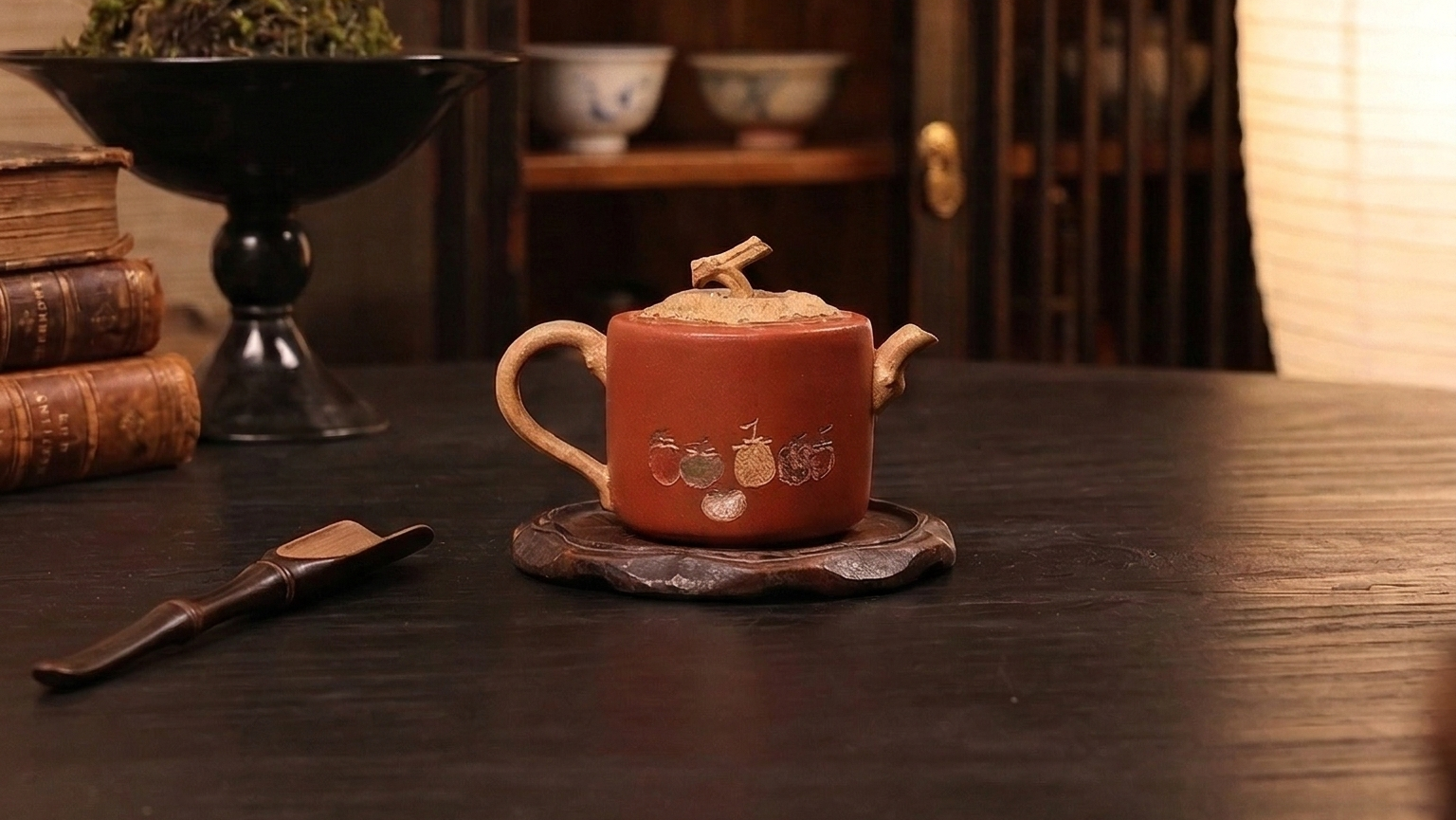
Timeless tradition marks Minjiang containers amid generations,
Reflecting exclusive properties collected through territorial lavender substances, such flasks build up a glow along operation, boosting savor released from extracted beverages.
Understanding Yixing Earth: Thorough Insights into Zisha
Numerous enthusiasts acknowledge the unparalleled quality of Yixing amethyst clay, a keystone of ancient Chinese teaware. Emerging from the Yixing region of Jiangsu province, this rare clay demonstrates an delicate mineral blend, whichever imparts outstanding qualities to the manufactured objects. Kinds within Zisha, including Purple Mud, Duan Ni Mud, and Jiang Xi Mud, each offers particular hues, textures, and processing traits, modifying the ventilation and the final accent ripening of the beverage.
Eastern Urn Legacies: Exploring Artistry
Asian teapots embody beyond mere containers for drink; they embody centuries of cultural craft. From the renowned Yixing clay variations, respected for their spongy nature which adds distinctive nuances to the brew, to the ornate porcelain from Jingdezhen, each piece unfolds a story of craft. The fabrication process is an precise mission, often transmitted through houses of artisans. These artists use ancient strategies such as hand-building, molding on wheels, and refining, demonstrating profound reverence for the clay and the work itself. Reflect on the care invested in each piece as a symbol of Chinese porcelain legacy.
- Southern vessels: a renowned choice.
- Refined china teapots: known for their fine design.
- Sculpting techniques: a difficult yet fulfilling procedure.
Jiangsu Purple Teapot Protection: Sustaining Your Valuable Artifact
Fitting upkeep of your distinguished Yixing Zisha jar is essential to prolonging its condition. Crafted from recognizable purple sand soil, these first-rate teapots build a lovely patina after utilization, greatly boosting their allure. Eschew agents; a gentle rinse with warm aqueous is capable. Do not scalding water for maintenance the teapot, as it may break down its structure. Allow it to dry naturally away from bright natural light. Consider seasoning your teapot regularly using top-quality tea, especially fermented varieties. Here is a brief instruction:
- Wash over with softly heated liquid.
- Do not use washers.
- Facilitate it to lose dampness.
- Prepare with high-quality tea.
Heritage of Yixing Teapots: From Simple Starts
The tale of Yixing teapots commences plainly during the Qing dynasty, close to the 16th age. Initially, these objects were not the coveted objects they are perceived today. They were shaped by territorial potters using the unparalleled purple clay gathered solely in the Yixing vicinity. These early artifacts were mostly utilitarian, targeted for commonplace operation and often modest in form. It was not until the subsequent dynasty that they triggered to earn reputation beyond mere useful ceramics.
Picking the Right Yixing Urn: A Elementary Reference
Exploring the sphere of Yixing teapots can be overwhelming, but don't worrying! For rookies, the vital factor is understanding the earth. Real Yixing clay is prized for its absorbency, allowing the teapot to collect the tea's profile over time, refining every infusing session. Consider the profile; traditional orbicular shapes prevail, yet distinct preferences count. Lastly, analyze the polish—while some favor an natural appearance, others enjoy a nuanced gloss. Take your time in the acquisition process—this is an acquisition in a appreciated piece of creation.
Eastern Clay Vessels and Their Importance on Chinese Infusion Tradition
Zisha pitchers, derived from Yixing, China, have profoundly influenced historic Chinese infusion culture. The Yixing clay teapots, prized for their particular shade, makeup, and exceptional ability to impart a subtle bouquet to the tea, exist as more than mere pots; they are treasured creations and symbols of prestige. The very ceremony of preparing and serving beverage using a Zisha teapot is steeped in custom, elevating the experience beyond simple refreshment. Yixing Zisha Teapot Centuries of artisans have enhanced their techniques, passed down through generations, resulting in highly prized pieces. Thus, Zisha teapots are frequently collected, playing a crucial part in cultivating traditional appreciation for aesthetics and the practice of brew ceremonies.
- Distinctive Clay Composition
- Bestowing Subtle Flavor
- Fine Craftsmanship
Detecting Authentic Exceptional Provincial Containers
Collecting a original Yixing teapot can be a enjoyable experience, but the realm is often plagued with knockoffs. Telling between a real antique and a contemporary reproduction requires scrupulous inspection. Key signals include the clay's earthy shade, often displaying streaked surfaces, and the missing of modern curing imprints. The form should present natural beauty, reflecting the traditional Yixing aesthetic. Finally, investigating the manufacturer's signature is crucial to verify accuracy against endorsed sources.
- Assess the clay's pattern.
- Look for errors, indicative of handcrafted quality.
- Engage an connoisseur for validation.
Investing in Chinese Containers: A Elaborate Guide to Purple Clay Interpretation
The sector of Traditional Zisha teapots presents a exceptional possibility for educated enthusiastic followers. Increasingly, the worth of these traditional artifacts is guided by diverse components, such as the standard of composition, the dexterity of the builder, the historical significance, and, naturally, the present trade. Newcomers should focus on researching the diverse categories of Zisha clay—such as Ice River, Tranquil Vessel, and Scarlet Earth—and researching the traits linked to each. Thorough assessment of the pot's form, color, and seal is concurrently paramount to make educated judgments when investing.