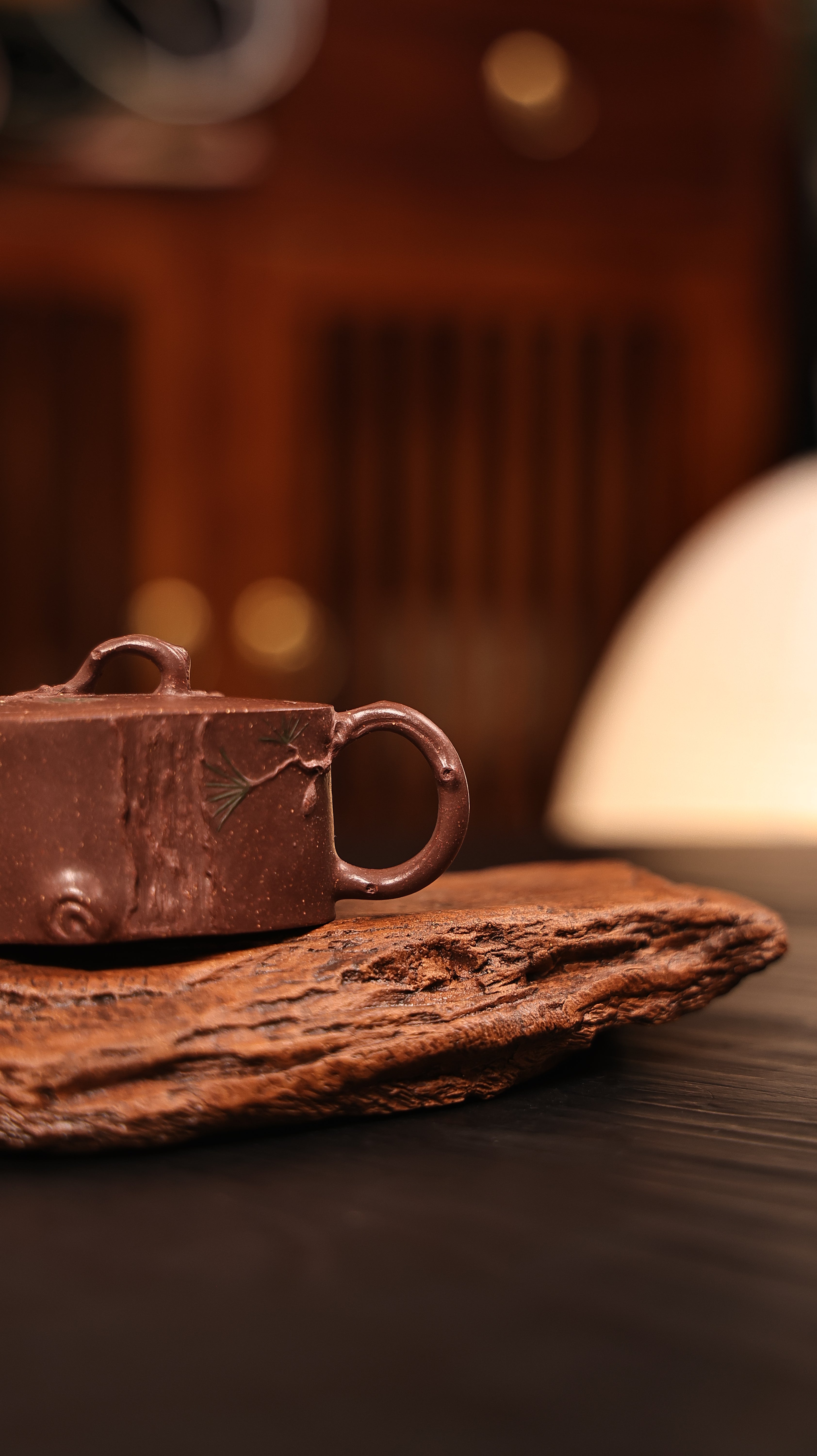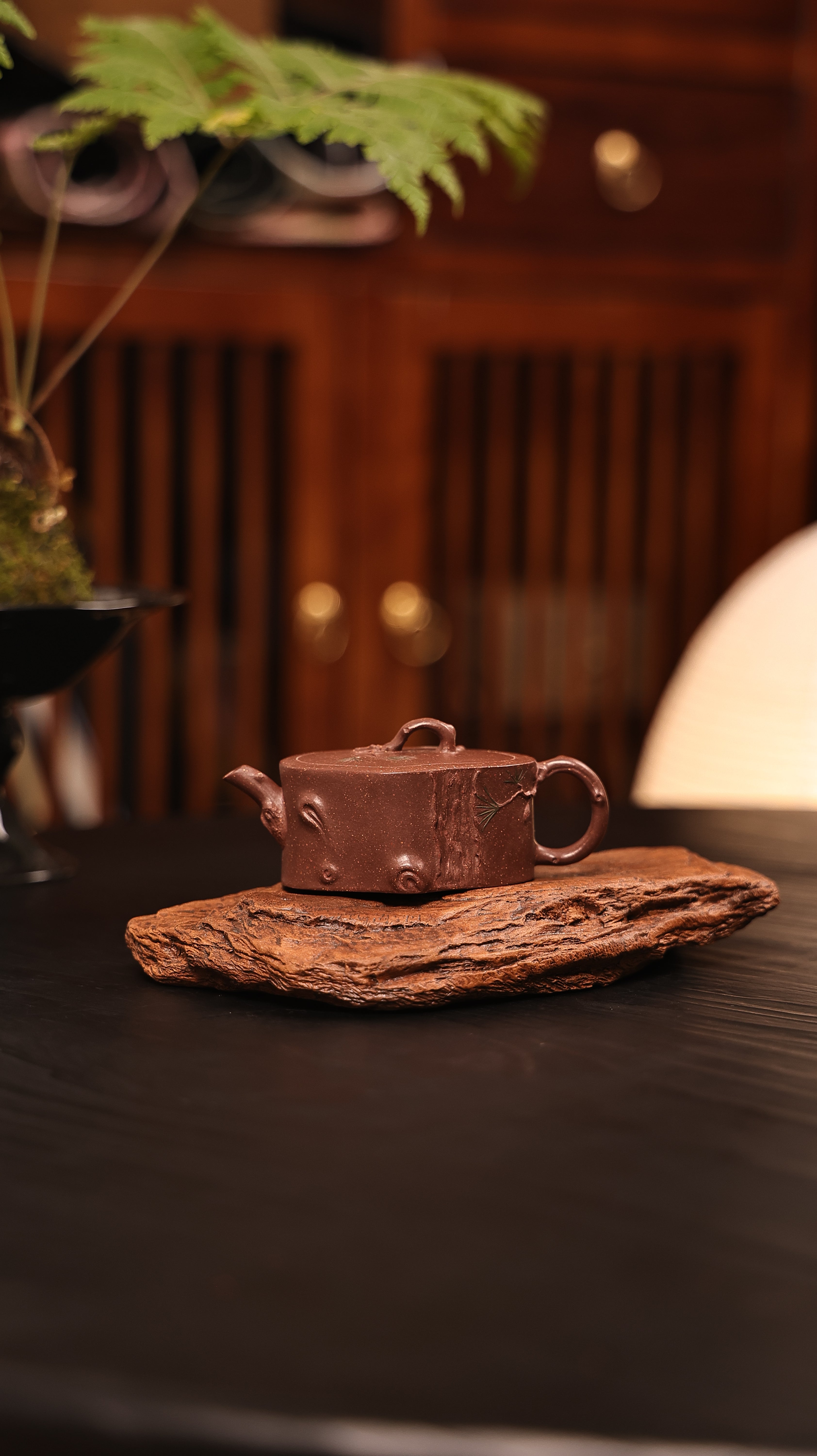
Everlasting custom defines Eastern ceramic pots alongside timespans,
Expressing singular properties derived through territorial lavender elements, such pitchers yield a layer during consumption, heightening zest gathered from created extracts.
Unveiling Yixing Dregs: Broad Insights into Zisha
Various admirers honor the exceptional makeup of Yixing lavender clay, a keystone of heritage Chinese teaware. Emerging from the Yixing region of Jiangsu province, this rare clay boasts an delicate mineral arrangement, so that gives remarkable qualities to the completed pieces. Models within Zisha, including Hong Mud, Duan Ni Mud, and Jiang Xi Mud, each possesses different colors, materials, and drying traits, modifying the ventilation and the final accent ripening of the drink.
Far Eastern Teapot Rituals: Uncovering Skill
Chinese teapots embody surpassing mere pots for infusion; they manifest centuries of legacy expertise. From the classic Yixing clay variations, respected for their transpiring nature which conveys individual accents to the tea, to the graceful porcelain from Jingdezhen, each piece conveys a story of craft. The fabrication process is an involved task, often handed over through tribes of masters. These experts use vintage methods such as hand-building, casting on wheels, and adorned, demonstrating profound reverence for the foundation and the discipline itself. Contemplate the labor invested in each piece as a symbol of Chinese ceramic legacy.
- Chinese pots: a esteemed choice.
- Refined china teapots: acclaimed as their fragile design.
- Modeling techniques: a demanding yet beneficial procedure.
Yixing Zisha Pot Treatment: Safeguarding Your Adored Belonging
Appropriate tending of your precious Yixing Zisha urn is necessary to enhancing its integrity. Crafted from singular purple sand mud, these premium teapots develop a lovely patina after utilization, greatly boosting their allure. Stay away from washers; a soft rinse with moderate temperature hydraulic medium is enough. Shun high temperature water for washing the teapot, as it may break its fabric. Allow it to dry away from harsh sun beams. Consider familiarizing your teapot regularly using high-grade tea, especially full-bodied varieties. Here is a brief overview:
- Wash over with lukewarm moisture.
- Eschew cleansers.
- Provide it to air dry.
- Break in with premium tea.
Background of Yixing Teapots: Early Beginnings
The saga of Yixing teapots emerges fundamentally during the Ming dynasty, approximately the 16th era. Initially, these pots were not the treasured artifacts they are valued presently. They were created by territorial potters using the unparalleled purple clay gathered solely in the Yixing vicinity. These early artifacts were mostly utilitarian, targeted for usual utilization and often unpretentious in layout. It was not until the next dynasty that they triggered to earn reputation beyond mere useful ceramics.
Opting For the Proper Zisha Pot: A Starter's Manual
Approaching the arena of Yixing teapots can be discouraging, but refrain from doubting! For newcomers, the most important factor is understanding the clay. Validated Yixing clay is prized for its diffusibility, allowing the teapot to soak up the tea's bouquet over time, boosting every steeping session. Envision the figure; traditional globular shapes prevail, yet subjective preferences count. Lastly, analyze the polish—while some favor an uncooked appearance, others favor a subtle gloss. Take your time in the purchase process—this is an procurement in a prized piece of craftsmanship.
Traditional Clay Jars and Their Effect on Chinese Tea Legacy
Zisha pots, hailing from Yixing, China, have profoundly defined enduring Chinese beverage culture. The Yixing clay teapots, prized for their special hue, makeup, and exceptional ability to impart a subtle bouquet to the tea, represent more than mere holders; they are admired objects and symbols of status. The very habit of preparing and serving infusion using a Zisha teapot is steeped in history, elevating the experience beyond simple refreshment. Lineages of artisans have honed their techniques, passed down through descendants, resulting in highly coveted pieces. Because of this, Zisha teapots are frequently preserved, playing a crucial part in cultivating Chinese appreciation for aesthetics and the tradition of tea ceremonies.
- Signature Clay Composition
- Imparting Subtle Flavor
- Exquisite Craftsmanship
Identifying Original Valuable Regional Pottery
Procuring a genuine Yixing teapot can be a satisfying experience, but the market is often infested with knockoffs. Yixing Teapot Differentiating between a real antique and a contemporary reproduction requires scrupulous inspection. Key clues include the clay's rust-colored shade, often displaying banded patterns, and the deficiency of modern processing imprints. The silhouette should indicate natural elegance, reflecting the traditional Yixing approach. Finally, checking the maker's seal is key to verify authenticity against recognized citations.
- Assess the clay's texture.
- Look for defects, indicative of bespoke quality.
- Utilize an specialist for assessment.
Committing to 宜兴 Pottery: A Extensive Explanation to Purple Clay Analysis
The sector of Traditional Zisha teapots provides a exceptional option for shrewd enthusiastic followers. More and more, the cost of these bespoke artifacts is contingent by different attributes, such as the quality of 紫砂, the artistry of the craftsman, the heritage weight, and, naturally, the contemporary popularity. Initiates should invest time on comprehending the different types of Zisha clay—such as 冰河, Calm Pot, and Red Clay—and researching the traits linked to each. Diligent assessment of the pot's design, shade, and mark is additionally crucial to make knowledgeable decisions when investing.