Initiating
Complete surging difficulty pertaining to modern cars calls for a comprehensive thorough knowledge of diagnostic mechanisms, chiefly involving On-Board Diagnostics II (OBD2) and Tire Pressure Monitoring Systems (TPMS). Across Europe, Asia, and the US, these features apply using distinct frequencies. OBD2 standards are largely standardized globally, predominantly utilizing ISO 9141-50, KWP2000, CAN, and others, but regional deployments can generate minor alterations. TPMS, however, is where meaningful frequency fluctuations arise. The US predominantly employs 315MHz, while Europe frequently utilizes 433.92MHz, and Asia exhibits a more scattered range including both frequencies and other bands. Consequently, precise diagnostic tools must be outfitted with the ability to interpret these multiple frequencies to facilitate effective troubleshooting and maintenance.
Revealing TPMS Sensor Frequencies: A Global Guide (Europe, North America, Asia)
Mastering rubber measuring apparatus (TPMS) receiver waves in the globe is complex. Customarily, North nations primarily utilize 315 MHz, nevertheless some novel vehicles adopt 433 MHz. However, Europe and most of Asia mainly work on the 433 MHz band, with some local variations emerging markedly in definite Asian territories. Therefore, crucial to ascertain the exact signal before buying into TPMS gauges to make certain compatibility and circumvent conceivable problems.
EV System Scanners: OBD2 Compatibility and TPMS Integration
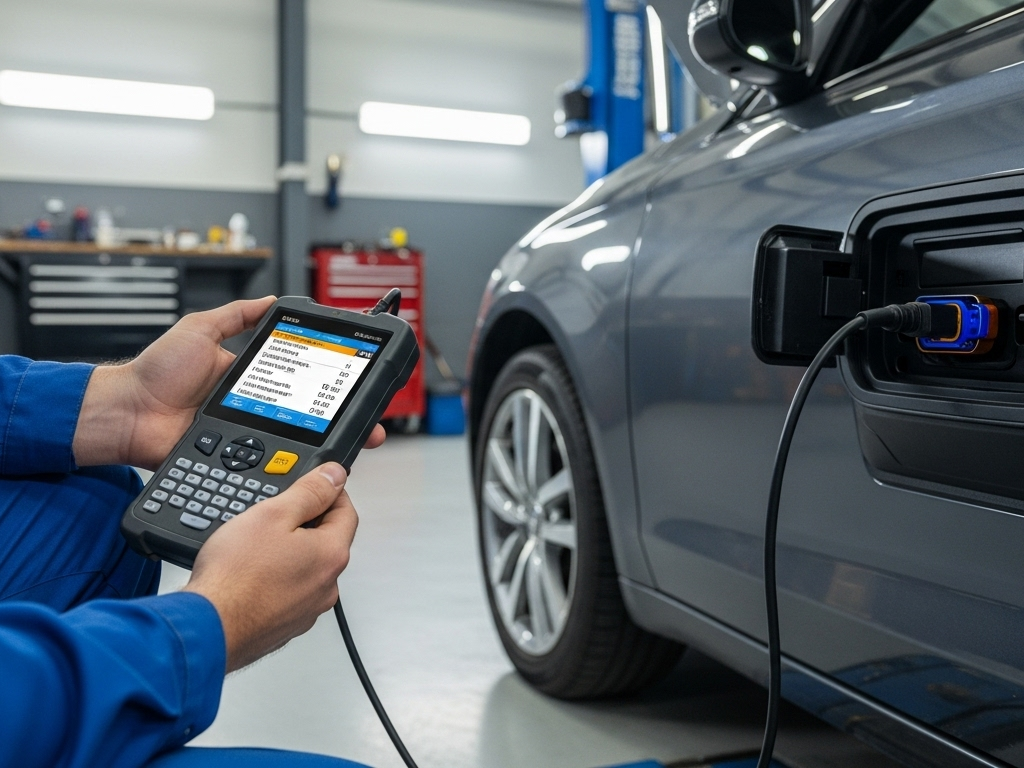
Latest electric transport interfaces are increasingly incorporating necessary functionality, especially concerning both conventional On-Board Diagnostics II (OBD2) integration and Tire Pressure Monitoring System (TPMS) integration. Multiple EV transport units utilize OBD2 ports for obtaining vital system statistics, enabling technicians and caretakers to recognize anticipated glitches. Furthermore, consistent TPMS combination provides accurate tire compression readings, supporting to improved defense and octane effectiveness. This integration of OBD2 interfaces and TPMS support demonstrates a remarkable step in energy-based auto inspection.
Tire Monitoring Frequency Discrepancies: European Region vs. The US vs. Eastern Asia - A Elaborate Examination
Various systems responsible for measuring tire compression—TPMS—operate on special radio wavelengths, leading to considerable regional discrepancies. The United States predominantly utilizes 315 MHz, though some fresh vehicles are converting to 433 MHz. Europe mandates 433.92 MHz, a defined frequency to secure harmonization across member states. Asia-Pacific exhibits a complicated landscape, with some nations using 315 MHz, others 433 MHz, and still varied regions employing a conglomerate of both. This dissimilarity presents challenges for service centers and motor vehicle users when dealing with replacement TPMS receivers or diagnostic hardware, necessitating careful confirmation of regional regulations to preclude failures and warrant proper effectiveness of the TPMS.
Vehicle Scanners for EV Cars: Tire Pressure Monitoring System Examination & Radio Wave Processing
State-of-the-art transport evaluators are consistently enhancing to accept electric vehicles, particularly regarding tire pressure monitoring analysis. Unlike ICE cars, battery cars present specific complexities when it comes to tire data checks. Many electric autos use different TPMS channels requiring the detector to verifiably identify the radio wave in use. This feature provides professionals to solely see tire info but also pinpoint the clear transmission being emitted by the tire info sensors, promoting in exact troubleshooting of faults.
Asia TPMS Frequencies: What Have to Know?
Confronting the world of automobile TPMS can be a headache, primarily due to the varying signals utilized across Eurozone, Asia, and the United States. Western European vehicles predominantly use 433.92 MHz, while several Asian countries employ 315 MHz and 433.92 MHz, creating a tangled situation for experts. In the US, both 315 MHz and 433.92 MHz are common, with 315 MHz being more extensive. As a result, understanding these regional inconsistencies is necessary for accurately troubleshooting TPMS deficiencies and selecting the suitable programming tools.
Developing those Basics: Transport Diagnostics, Electrified Motorcars, together with TPMS Instrument Frequency Determination
For professional vehicle engineers, plainly comprehending certain core concepts related to on-board diagnostics, electronically driven car platforms, including pressure tracking module rate determination amounts to an decisive upcoming level. The aforementioned themes go throughout initial diagnostics, demanding customized implements & experience with the aim of unerringly pinpoint plus remedy tricky issues involving tyre data, current system operation, even drive unit malfunction readings. Furthermore, precisely detecting tire sensor systems equipment channels – regularly range during separate makes or versions – can be necessary for proper synchronization.
Electric Auto Inspection: Using OBD2 Scanners to Troubleshoot TPMS
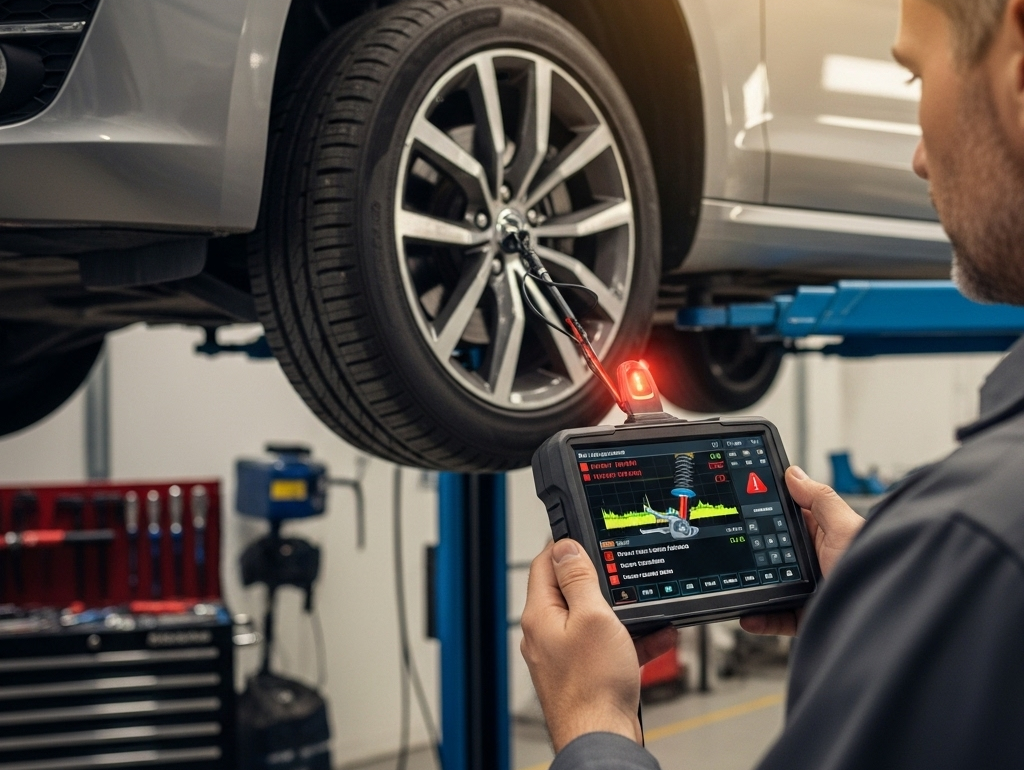
Inspecting Tire Pressure Monitoring Systems tire sensor networks in electric vehicles electrified transports often demands more than purely visual inspection. Modern OBD2 devices offer substantial ability to extract TPMS data and identify potential concerns. Utilizing these hardware, technicians can analyze fault codes, survey sensor function, and even carry out sensor checks, allowing for precise diagnosis of sensor failures and minimizing vehicle unavailability. The is especially valuable given the surging complexity of EV architecture.
Exploring TPMS Frequencies: A Step-by-step Introduction for Eurozone, the East, and the US & Canada
Successfully running tire surveillance systems among the Continent, Asian Subcontinent, and American Continent calls for a thorough mastery of the diverse signal bands they engage. Contrary to a standardized system, various locations frequently follows specific frequency limits. Namely Europe predominantly uses hundreds fifteen MHz and 433.92 MHz band, while the Continent normally operates ev service scanner on hundreds fifteen MHz even though some newer vehicles would adopt four-three-three point nine two MHz. Asia shows a more complex picture, with diverse spectrum allocations engaged, reliant on the state and vehicle manufacturer.
- Ponder territory restrictions regarding wireless signal.
- Examine your vehicle's owner's manual for precise band.
- Harness a tire pressure tool equipped for translating multiple frequencies.