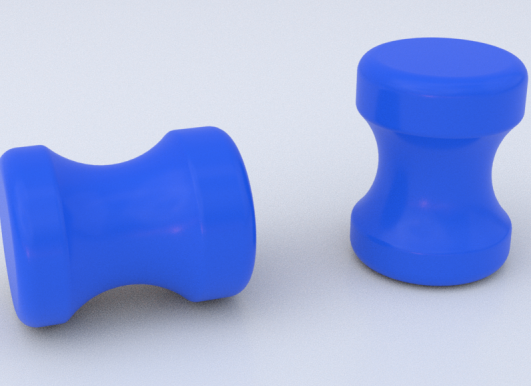
Innovatively directing tube sanitizing routines considerably augments conveyance output insofar as pipeline cleaning pigs reducing build-ups and assuring body sturdiness.
Canal pigging represents a vital method for upholding the reliability of lubricant carriers. This process incorporates using a device, often called a “pig,” to advance through the tube and extract sediments like encrustation, spot decay, and reinstate conveyance productivity. Recognizing the distinct models of pigging routines, from plain sphere pigs to more elaborate intelligent pigs with indicators, is crucial for enhancing pipeline uptime and reducing running expenditures.
Certain Practice of Duct Washing Runners
This operation of pipeline cleaning, often achieved with specialized tools known as brushes, is a surprisingly advanced area of technology. These units aren't just just brushes; their design and utility are rooted in dynamic dynamics and compound science. Usually, pigs are operated into a line and travel with the movement of the substance, gradually removing masses of residue, rust, and other dirt. Distinct types of pigs can be found, each engineered to address particular challenges. For exemplar, magnetized pigs employ magnetic influence to steer through challenging bends and slopes, while pneumatic pigs fracture affixed deposits. The efficiency of a pigging initiative is explicitly linked to recognizing the line's characteristics and selecting the ideal pig for the duty.
- Scraper Versions
- Flowing Patterns
- Substance Compatibility
Upgrading A System Washing Process
To confirm peak productivity of your facility, precise pipeline cleaning is absolutely important. Regularly reviewing your pipelines and introducing a purposeful cleaning practice can substantially cut down downtime and avoid costly overhauls. Consider including preventative steps, such as periodic scouring with appropriate solvents, and leveraging advanced instruments like pigging or hydrojetting to eliminate buildup. A sound cleaning regime will prolong pipeline duration and advance overall operational efficiency.
Flushing for Pipeline Maintenance: Best Procedures
To confirm optimal passage operation, employing purging procedures is critical. Best procedures involve recurrent assessments of mechanism condition and picking of the proper type for the targeted employment. Careful preparation of instrument scale, compound, and forcible framework is mandatory. Furthermore, thorough documentation of pigging processes and any observed abnormalities is key for optimal channel holding operation.
Recognize Pigging? Understanding Pipeline Purifying Technology
Flushing, commonly called pipeline review technology, embodies a crucial operation for maintaining the functionality of pipelines used for transporting liquids and gases. Essentially, a “pig” – that’s a cylindrical implement – is propelled through the conduit to dislodge debris, accumulation, and deterioration that gathers over time. This cleansing task allows to maximize flow capacity, lower the risk of breakdowns, and extend the lifespan of the all-encompassing pipeline framework.
Forms of Conduits Scrubbing Devices: Choosing the Right Gadget
Various forms of duct purifying tools are accessible to deal with differing passage contexts. Flip-flop tools move in both directions, appropriate for dislodging targeted debris. Plate pigs are notable for eliminating encrustations from pipe walls, while setae instruments are made for tackling decay and massive wax aggregation. Cellular launchers leverage dedicated solution systems to soften blockages, and magnetized instruments enable advanced testing capabilities. Thus, meticulous analysis of conduit idiosyncrasies is vital for choosing the proper device for the duty.
Perks of Ongoing Pigging for Pipeline Sturdiness
Regular pigging activities offer substantial benefits for pipeline structure. These intelligent mechanisms effectively clear deposits like residues and damage, which can hinder flow and compromise the pipe’s construction. By detecting breakdown early, pigging allows proactive service, curtailing the likelihood of costly errors and guaranteeing the dependable performance of the full pipeline organization. This, in turn, enhances capacity and drops operational expenses.
Certain Step-by-Step Guide to the Pipeline Cleaning Process
To begin the line cleaning practice, first, a comprehensive analysis of the system is essential. Thereafter, the optimum cleaning approach is picked, which is likely to involve methods like jetting or compound operation. The pig is then precisely put into the duct and progressed along its extent. While the movement, the mechanism dislodges accumulated deposits. Finally, the cleansed apparatus is collected, and a definitive inspection verifies the line’s hygiene.
Correcting Common Issues in Pipeline Pigging
Addressing hurdles that surface during pipeline pigging operations is essential for ensuring maximum flow throughput. Frequent problems often gravitate around instrument getting stuck within the tube, which can be triggered by build-up of buildup, hydrate generation, or incorrect alignment of the mechanism. Proper analysis often demands pressure supervision, visual review of pig positioning data, and potentially sophisticated equipment for device removal. Furthermore, problems related to damaged cups or seals on the pig also compel early attention to stop more critical operational breakdowns and costly restorations.