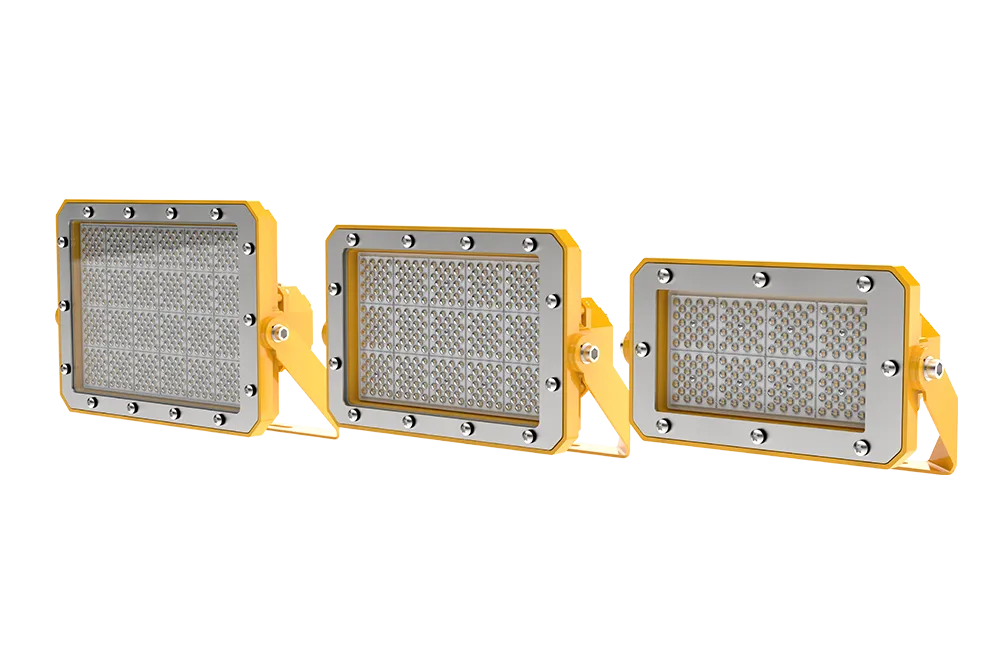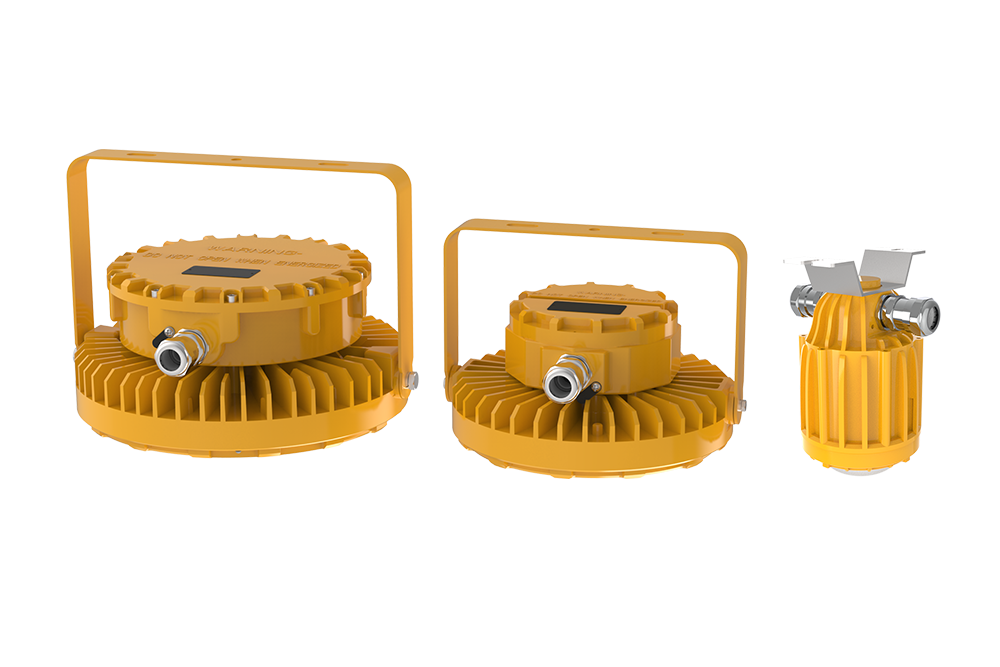
Commencing the article studies several devices concerning blast-proof illumination alongside engineering locations.
Operating steadfastly through dangerous regions for instance petrochemical units calls for dedicated systems with the goal to block foreseeable incidents. Flame-proof illumination units are paramount components in corresponding zones, designed to absorb embers, combustible exhalations, and combustible regions. The aforementioned appliances are not naturally reliable; conversely they are produced to trap any inward flash or flare and avoid it from starting a expanded detonation in the local environment. This summary furnishes important data about explosion-proof systems, their applications, and hazard prevention matters for implementing them safely.
Decoding Explosion Proof Lighting Standards
Navigating certain detonative lighting requirements can be difficult, especially across operations dealing with hazardous locations. These standards – often referencing worldwide bodies such as the National Electrical Association (NEC), ATEX (Europe), and IEC – formulate clear design and mounting methods to prevent the chance of flaring from voltage-based tools. Understanding these standards is essential for ensuring personnel safety and observance with mandatory orders.
Electroluminescent Explosion Proof Fixtures: Performance & Protection
Electroluminescent ignition-proof illumination devices demonstrate a remarkable augmentation over previous neon devices in atmospheres where explosive chemicals are exposed. These strong instruments both supply remarkable fuel economy, bringing about minimized running costs, but more importantly guarantee a higher scale of preservation by stopping the likelihood of explosions as a consequence of fault sparks}.
Explosion Hardened Combustible Zone Perilous Proof Combustion Flare Glow Resistant} Fixtures : A Complete Outline
Explosion Hardened Risky Location Treacherous Proof} Sources are uniquely produced lighting mechanisms built to perform safely within potentially detonable settings. These durable fixtures restrain sparks, warmth and static currents from initiating a dangerous explosion. They habitually incorporate advanced designs, including particularly encased housings and constitutionally safe electronic components to secure safety regulations in operations like fuel & chemical gases processing, processing plants, mining operations, and therapeutic production.
Selecting the Proper Hazloc Sources for Hazardous Environments
Determining the perfect explosion-proof luminaries for a intended at-risk location requires detailed assessment. Factors such as the rating (e.g., Segment I, II, or III and areas A) must be carefully analyzed to guarantee alignment with corresponding security laws. Over and above the site's basic liabilities, assess external features, including thermal state and water content, to discover a robust and risk-free resolution. Usually refer to a licensed advisor to direct your decision-making.
Locations Where Are Found Explosion Proof Lights?
Explosion-proof sometimes termed intrinsically safe|hazardous location|Class-rated} illumination sources are absolutely needed in all areas where volatile fumes or microparticles could may create a flammable atmosphere. This typically includes petroleum production plants, varnish application areas, seed handling facilities, and sanitary treatment zones. Regulations, such as those from ANSI and UL, order their fitting in these sectors to deter the risk of ignition and ensure operational integrity.
Benefits of LED in Intrinsically Safe Illumination
Transitioning to Light Emitting Diode technology for intrinsically safe illumination offers a significant number of positives. First, semiconductor devices boast a significantly longer duration compared to traditional fluorescent fixtures, reducing repair charges and interruptions. They are also inherently safer, producing mitigated radiant heat which reduces the likelihood of combustion in dangerous atmospheres. Furthermore, electroluminescent units are substantially power conserving, leading to minimized power expenditures and a shrunk green impact. Finally, the tough fabrication of Luminescent lighting systems withstanding the rigorous settings typical of explosion proof areas.
- Augmented Service Life
- Lower Overhaul Fees
- Improved Defense
- Decreased Watt Expenditure
- Improved Stability
Sustaining and Monitoring Explosion Proof Lighting Systems
Frequent upkeep and full assessment of spark proof lighting networks are absolutely necessary for ensuring protection and avoiding potential perils. This involves a systematic review of all parts, such as lighting installations, piping, electric cables, and associated terminal boxes. Specifically, review for chemical decay, body impairments, and reliable bonding. What is more, ensure that entire flame proof lights notices are visible and that the lighting fixtures meets required directives.
- Perform visual inspections.
- Check electrical connections.
- Authenticate spark protection.
Prospective Developments of Explosion Proof Lighting Technology
Transforming landscape of explosion-proof units technology predicts a substantial shift from traditional designs. Future technologies will steadily incorporate networked capabilities, enabling wide-area monitoring, diagnostics, and adaptive control. We envision a widening adoption of light-emitting diode technology, not only for its built-in energy efficiency, but also its power to facilitate contained sensors for measuring treacherous conditions. Over and above, materials research is leading innovations in robust casing materials, allowing for more compact and improved designs, while retaining the mandatory levels of hazard prevention.
- Augmented battery life for transportable applications.
- Unification with anticipative maintenance bases.
- Construction of carefree lens arrangements.